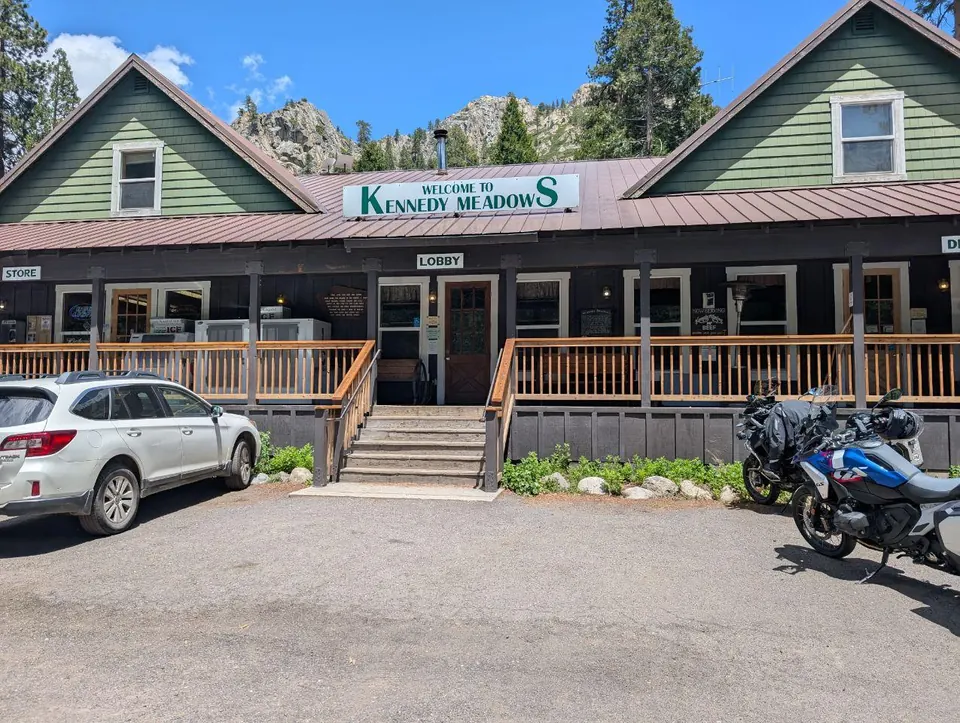
Day 44Markleeville, California
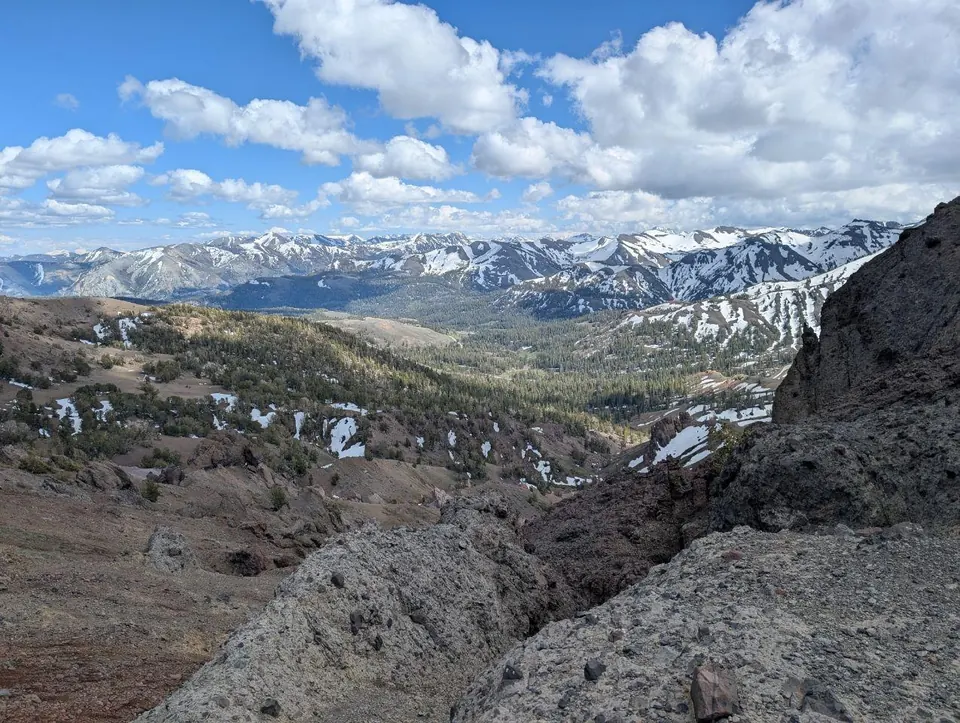
The landscape becomes less alpine, more mineral and ochre, at a slightly lower altitude. Yet there are still some neves, demanding at the end of the day when they soften. Walking is much simpler than in the Sierra.
My hand, on the other hand, does not improve. It is red, swollen, painful and covered with small blisters, as after a burn. After more than 10 days, the problem remains incomprehensible. After the trail and some research, my hypothesis is to have touched poison Oak, a very common plant in the American West. The oil could stay on my gloves and cause new exposures.
I decide not to ration food so much. I now eat the whole trail mix package instead of distributing it over several days and gradually increasing the portions. The priority is to regain weight.
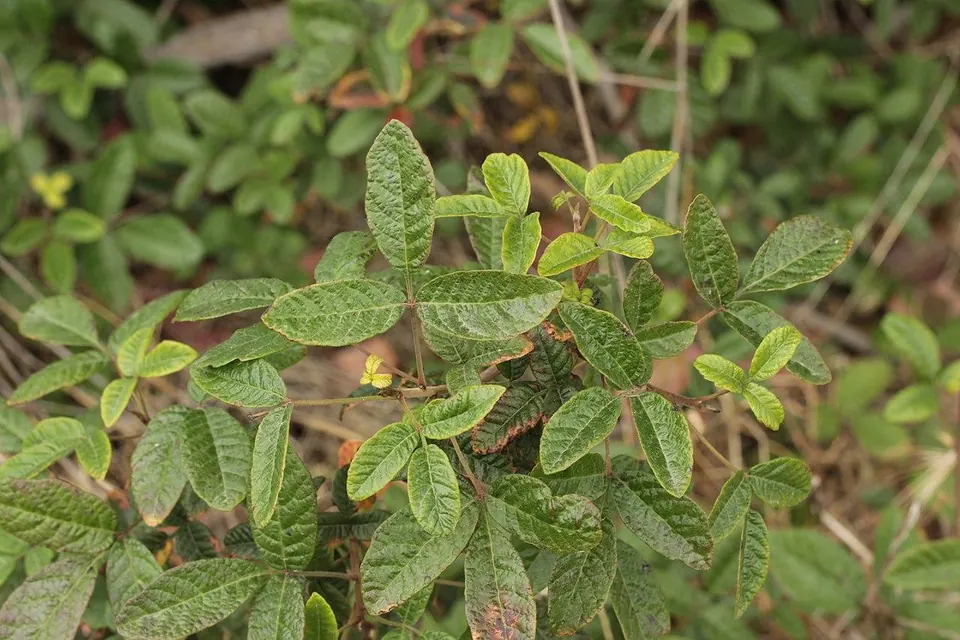
- Poison oak
The Pacific Oak Poison (Toxicodendron diversilobum) contains l Reaction may occur several hours or days after contact. Oil can also remain on gloves, clothing or equipment and cause new exposure until cleaned. The plant is often recognized by its groups of 3 leaflets, the shape and colour of which vary according to the season.
Pacific poison oak (Toxicodendron diversilobum). Photo: Björn Sothmann, Wikimedia Commons, CC BY-SA 2.0.
.jpg)